
Let me ask you something: Have you ever avoided switching to solar because you thought panels don’t work in cloudy weather or lose power after a few years? If yes, you’re not alone. These are some of the most common solar panel efficiency myths circulating in Pakistan.
With rising electricity bills, power cuts, and growing interest in renewable energy, solar has become a hot topic. But misinformation often scares people away. Today, I’m breaking down the biggest misconceptions about solar efficiency, backed by facts, expert opinions, and real-world examples.
Solar Panel Efficiency Myths 1: Solar Panels Don’t Work on Cloudy Days
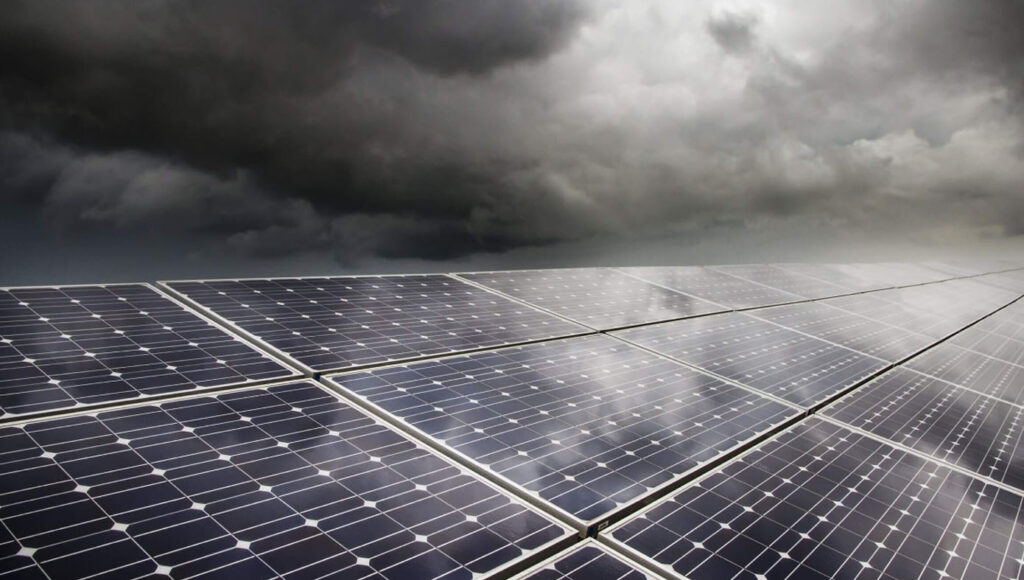
One of the most repeated myths is that panels only work in bright sunshine. While direct sunlight boosts performance, panels still generate electricity in cloudy or rainy weather.
According to the National Renewable Energy Laboratory (NREL), solar panels can produce 10–25% of their capacity even on overcast days. Think about Germany—one of the cloudiest countries in Europe—yet it leads in global solar adoption.
In Pakistan, where sunlight is available for 300+ days a year, worrying about clouds is unnecessary. Even in Karachi’s humid summers or Lahore’s smoggy winters, solar keeps running.
Solar Panel Efficiency Myths 2: Solar Panels Lose Efficiency Quickly

Another misconception is that panels wear out within a few years. In reality, most panels lose only about 0.5% efficiency per year. That means after 25 years, they still operate at 85–90% capacity.
Manufacturers like LONGi and JA Solar even provide 25–30 year warranties, ensuring long-term performance. So, instead of becoming useless, panels remain a stable, reliable investment.
Solar Panel Efficiency Myths 3: Solar Panels Are Inefficient in Hot Weather
This one sounds logical, but needs context. Yes, extremely high temperatures can slightly reduce panel efficiency. But Pakistan’s modern monocrystalline solar panels are designed to handle heat.
For example, a panel may lose about 0.3–0.5% efficiency per degree Celsius above 25°C. However, given our country’s abundant sunshine, the extra energy generated offsets this minor loss.
Fun fact: The deserts of Dubai and Saudi Arabia, hotter than Pakistan, are thriving solar hubs. If panels can perform there, they can certainly handle our summers.
Solar Panel Efficiency Myths 4: Dust and Pollution Make Solar Panels Useless
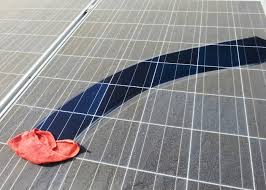
Dust can indeed reduce performance if panels aren’t cleaned. But calling them “useless” is a huge exaggeration. Research shows that regular cleaning—once every 2–4 weeks—maintains efficiency levels.
In cities like Lahore or Karachi, where air quality is often poor, automated cleaning systems or manual rinsing can solve this issue. In rural areas, even a bucket of water does the job.
Solar Panel Efficiency Myths 5: Solar Panels Can’t Power an Entire Home
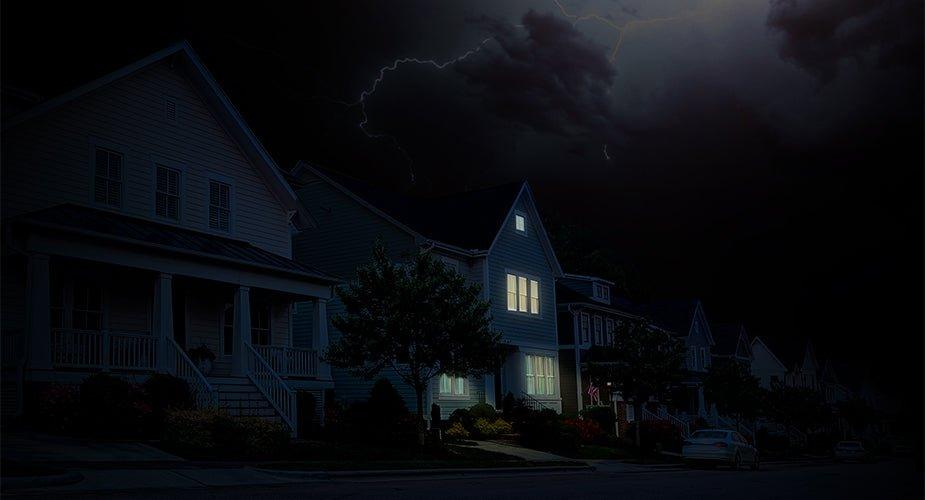
This is one of the most damaging misconceptions. With proper system design, solar can run an entire home—including lights, fans, refrigerators, and even air conditioners.
For example, a 5kW system can power a medium-sized Pakistani household, covering most daily needs. If paired with net metering, homeowners can even sell extra energy back to the grid, reducing bills dramatically.
Solar Panel Efficiency Myths 6: Solar Panels Are Too Expensive for the Average Household
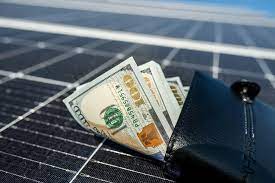
Yes, the upfront investment looks big, but the long-term savings are even bigger. A household that spends Rs. 20,000 per month on electricity can save nearly Rs. 240,000 annually with solar.
Most systems in Pakistan pay for themselves in 3–5 years, after which energy is practically free. Plus, financing options and government incentives are making it easier for middle-class families to adopt solar.
Expert Opinion: Why Efficiency Isn’t Everything
According to energy expert Dr. Hafeez Qureshi (Pakistan Council of Renewable Energy Technologies), focusing only on “efficiency percentages” often distracts from bigger benefits:
“What matters most is cost per unit of electricity, reliability, and long-term sustainability. Even a panel with lower efficiency can provide high savings if installed properly.”
Connecting the Dots: Solar Terminology and Smart Living

Understanding solar efficiency also means understanding solar terminology. If words like “photovoltaics” or “cell efficiency” confuse you, I suggest reading my blog on Solar Terminology Explained: From Photovoltaics to Solar Cells (Clear Guide for Pakistan) for a beginner-friendly breakdown.
When combined with smart living trends, solar panels are not just about efficiency—they’re about creating an independent, sustainable lifestyle in Pakistan.
So, What’s the Real Truth About Solar Efficiency?
The truth is simple: solar works better than most people think. The myths about inefficiency are outdated or exaggerated. With Pakistan’s natural sunlight advantage, investing in solar isn’t just practical—it’s future-proof.
Final Thought: Time to Rethink Energy Choices
If we keep believing in solar panel efficiency myths, we’ll stay stuck with rising grid costs and power outages. But if we embrace facts, we open the door to lower bills, energy independence, and a cleaner future for Pakistan.
So the real question is: Are you ready to trust the sun instead of the myths?