
When I first started exploring solar energy, I wanted to learn more about solar panel ROI, and one question kept popping up: Is the investment really worth it? Like most Pakistanis facing sky-high electricity bills, I wanted to know whether solar panels would actually save money—or add another expense.
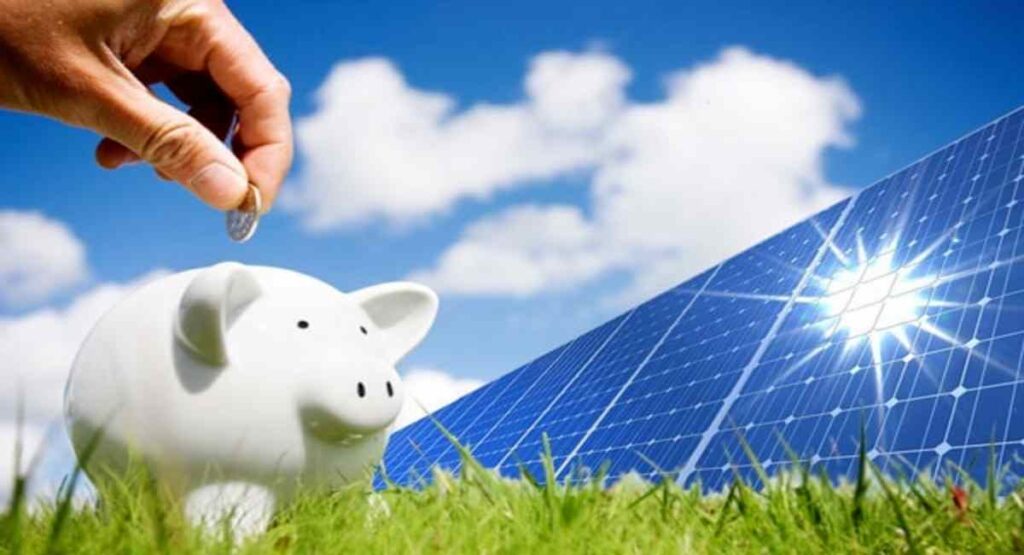
That’s where Solar Panel ROI (Return on Investment) comes in. ROI tells you how quickly your system pays for itself through reduced electricity bills, government incentives, and long-term savings. In this blog, I’ll break down exactly how to calculate solar panel ROI in Pakistan, share real-world examples, and explain why solar is one of the smartest investments you can make today.
What Is Solar Panel ROI?
In simple terms, ROI measures how long it takes to recover your initial investment in solar panels and start enjoying pure savings.
Formula for Solar ROI: ROI = Total Solar Savings Over Time – Initial Investment ×100
Initial Investment
For example, if you spend PKR 1,200,000 on a solar system and save PKR 150,000 per year on bills, your system will pay itself off in about 8 years. After that, every unit of electricity you generate is basically free.
Solar Investment Costs in Pakistan
The first step in calculating ROI is knowing how much solar panels cost.
- Residential (5–10kW systems): PKR 1,200,000 – 2,400,000
- Commercial (20–50kW systems): PKR 5,000,000 – 12,000,000
- Industrial (100kW+ systems): PKR 25,000,000 and above
These prices vary based on:
- Type of system: On-grid, hybrid, or off-grid
- Quality of panels & inverters
- Battery storage (optional)
- Installation & wiring costs
Yes, the upfront cost looks huge—but when compared to decades of rising bills, solar becomes a game changer.
Solar Savings: The Other Side of the Equation
To understand ROI, we must estimate monthly savings.
Take a 10kW hybrid system in Lahore:
- Produces 1,200–1,400 units/month.
- At PKR 55/unit (current average tariff), that’s PKR 66,000–77,000 saved monthly.
- Annual savings = PKR 792,000–924,000.
So, if your system costs PKR 2,000,000, you’d recover the investment in 2.5–3 years—an excellent ROI compared to other investments in Pakistan.
Market Research: Pakistan’s Solar ROI Trends
According to NEPRA’s 2024 report, solar adoption has surged by over 60% in residential areas and 40% in SMEs, largely because ROI is now shorter than ever.
- Urban households with high electricity consumption often achieve ROI in 3–4 years.
- Commercial setups reach ROI in 2–3 years thanks to higher energy use.
- Industrial users see ROI in 4–6 years, but savings run into tens of millions annually.
This rapid payback makes solar one of the fastest-growing investments in Pakistan’s energy sector.
Expert Opinions: Why Solar ROI Works in Pakistan
- Engr. Ahmad Hassan, Renewable Energy Consultant:
“Pakistan’s high solar irradiance gives us one of the best ROI windows in the world. Systems pay back faster here compared to Europe or even the U.S.” - JS Technology Team:
“We tell our clients to think long-term. Solar isn’t just about ROI in rupees—it’s about independence from the grid and freedom from rising tariffs.” - IEA Global Energy Report (2024): Notes that solar systems in developing markets like Pakistan deliver higher ROI rates due to growing demand, high tariffs, and government net metering policies.
Factors That Affect Your Solar Panel ROI
- Electricity Tariffs: Higher tariffs mean faster ROI.
- System Size: Bigger systems save more but require larger upfront investments.
- Location: Southern Pakistan enjoys more sunlight → faster ROI.
- Maintenance: Dirty panels reduce efficiency by 10–15% annually if not cleaned.
- Government Policies: Net metering and tax breaks can cut ROI periods by years.

Simple Example: Residential ROI in Karachi
Imagine a family in Karachi paying PKR 100,000/month in bills.
- They install an 8kW solar system costing PKR 1,600,000.
- Monthly bill drops to PKR 20,000.
- Monthly savings = PKR 80,000.
- Payback period = 20 months (less than 2 years).
After 20 months, the system provides pure savings for 20+ years. That’s like buying a money-printing machine for your rooftop.
Comparing ROI: Solar vs. Other Investments in Pakistan
- Solar Panels ROI: 25–35% annually (3–5 year payback)
- Real Estate ROI: 8–12% annually (10+ years to double investment)
- Bank Fixed Deposits ROI: 6–8% annually (eroded by inflation)
Clearly, solar beats traditional investment options—especially when electricity bills keep climbing.
The Link Between Solar ROI and Sun Activity
Remember my last blog, How the Sun’s Activity Affects Solar Panel Output? Understanding solar efficiency factors is crucial because your ROI depends directly on panel performance. Dust, heat, and seasonal changes can slow down ROI if not managed properly.
This connection shows why calculating ROI isn’t just math—it’s about factoring in real-life conditions that affect solar performance.
Tips to Maximize Your Solar ROI
- Clean panels monthly to avoid efficiency loss.
- Choose Tier-1 solar panels with long warranties.
- Go for hybrid systems to maximize savings during load shedding.
- Use net metering to sell excess power to the grid.
- Work with experts like JS Technology for accurate system sizing and installation.
ROI That Pays in More Ways Than One
Solar panels aren’t just a financial investment—they’re a lifestyle shift. They pay for themselves quickly, slash electricity bills, and give you freedom from unpredictable tariff hikes.
When I think about ROI, I don’t just see numbers on a spreadsheet. I see peace of mind, energy independence, and a brighter, more sustainable Pakistan.
So, is solar worth it? Absolutely. In fact, I’d argue it’s one of the smartest investments you can make today.