

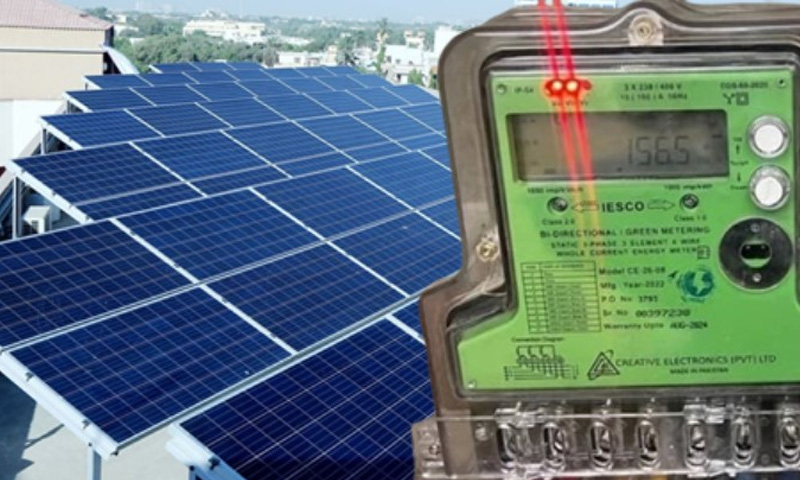
Switching to solar is no longer just a lifestyle choice—it’s becoming a financial strategy. But let’s face it: the upfront cost still scares many households and businesses in Pakistan. That’s where government solar incentives and subsidies step in.
In this blog, I’ll unpack how policies, subsidies, and grants shape solar adoption in Pakistan. We’ll look at real examples, expert insights, and explain how these incentives tie directly to your return on investment. (If you missed it, check my blog on Solar Panel ROI in Pakistan – How to Calculate Returns.)
Understanding Government Solar Incentives
So, what do we mean by “solar incentives”?
Simply put, these are financial benefits or policy frameworks designed to make solar energy affordable. They include:
- Direct subsidies on solar equipment.
- Net metering policies that let you sell extra electricity back to the grid.
- Low-interest financing schemes for solar projects.
- Tax exemptions on imported panels and inverters.
- Grants for renewable energy projects in rural areas.
Think of these as the government’s way of saying: “We’ll help you invest in solar because it helps us too.”
Why the Government Pushes Solar?
Pakistan’s power crisis is no secret. With frequent blackouts and rising import costs of oil and gas, the government needs alternatives. According to NEPRA’s 2024 State of Industry Report, renewable energy (especially solar) could reduce the country’s reliance on imported fuel by 25–30% in the next decade.
That’s why policies now prioritize:
- Energy security → Less dependence on imported oil.
- Cost reduction → Lower electricity prices in the long term.
- Environmental impact → Meeting global climate commitments.
Types of Solar Incentives Available in Pakistan
1. Net Metering: Net metering is the most powerful incentive for Pakistani households. It allows you to feed surplus electricity back into the national grid and get credit for it.
For example:
- A 10kW system in Islamabad produces 1,300 units/month.
- If the household uses 1,000 units, 300 units go to the grid.
- WAPDA credits these units in the next bill—cutting electricity costs drastically.
2. Tax Exemptions on Solar Equipment: The government has removed sales tax and customs duty on solar imports. This lowers system costs by 15–20% compared to just a few years ago.
3. Financing & Soft Loans: Banks like HBL and Meezan now offer solar financing under SBP’s Renewable Energy Financing Scheme, with interest rates as low as 6%–8%. For businesses, this means solar pays for itself even faster.
4. Rural Electrification Grants: In villages where the national grid is unreliable, the government partners with NGOs to install solar micro-grids. These are often partially or fully funded by grants, helping rural Pakistan leapfrog into renewable energy.
Market Research: How Incentives Affect Solar Growth
According to Alternative Energy Development Board (AEDB), net metering has led to a 60% rise in residential solar adoption since 2020. In Punjab, solar farms supported by government incentives now contribute 12% of the province’s electricity mix. A report by IRENA (International Renewable Energy Agency) shows that subsidy-backed solar projects in Pakistan have ROI periods 30% shorter than unsubsidized ones.
Expert Opinions on Solar Incentives
Engr. Bilal Qureshi, Energy Policy Advisor: “Net metering is the single most effective policy Pakistan has ever introduced for solar adoption. It turns every rooftop into a mini power station.”
JS Technology Team Insight:“When we calculate solar ROI for our clients, incentives like tax exemptions and net metering often reduce payback time by 2–3 years.”
How Incentives Improve Your ROI
Let’s compare two scenarios:
Without Incentives
- 10kW system: PKR 2,000,000
- Savings: PKR 70,000/month
- ROI = ~29 months
With Net Metering & Tax Exemption
- System cost drops to PKR 1,600,000
- Savings: PKR 85,000/month (after crediting exported units)
- ROI = ~19 months
That’s nearly a 40% faster payback period thanks to government incentives.
Challenges with Current Incentives
It’s not all sunshine, though. Some common challenges include:
- Policy inconsistency: Frequent government changes slow down adoption.
- Lengthy net metering approvals: Some households wait months to get connections.
- Limited awareness: Many Pakistanis don’t even know these incentives exist.
This means while incentives are promising, execution still needs improvement.
Future of Solar Incentives in Pakistan
Looking ahead, experts predict:
- More financing options from commercial banks.
- Corporate tax breaks for businesses going solar.
- Community solar programs in urban areas.
- Green energy bonds to finance solar expansion.
If implemented consistently, Pakistan could generate 30–40% of its electricity from renewables by 2040.
Connecting the Dots: Incentives + ROI
Remember my previous blog on Solar Panel ROI in Pakistan – How to Calculate Returns? Incentives like tax breaks and net metering directly influence ROI. If you combine both strategies, solar becomes not just affordable but one of the highest-yield investments in Pakistan today.
Practical Tips for Consumers
- Always ask your installer about net metering eligibility.
- Keep receipts and import documents—important for claiming tax exemptions.
- Explore solar financing plans before paying cash upfront.
- Stay updated on AEDB and NEPRA websites for policy changes.
Conclusion: A Win-Win for All
Government solar incentives aren’t just about lowering costs—they’re about creating a cleaner, more independent energy future. For you, they mean faster ROI, smaller bills, and greater energy independence. For Pakistan, they mean fewer blackouts and less reliance on imported fuel.
So, the next time you hear someone say solar is too expensive, remind them: “The government is already paying part of your bill—through incentives.”