
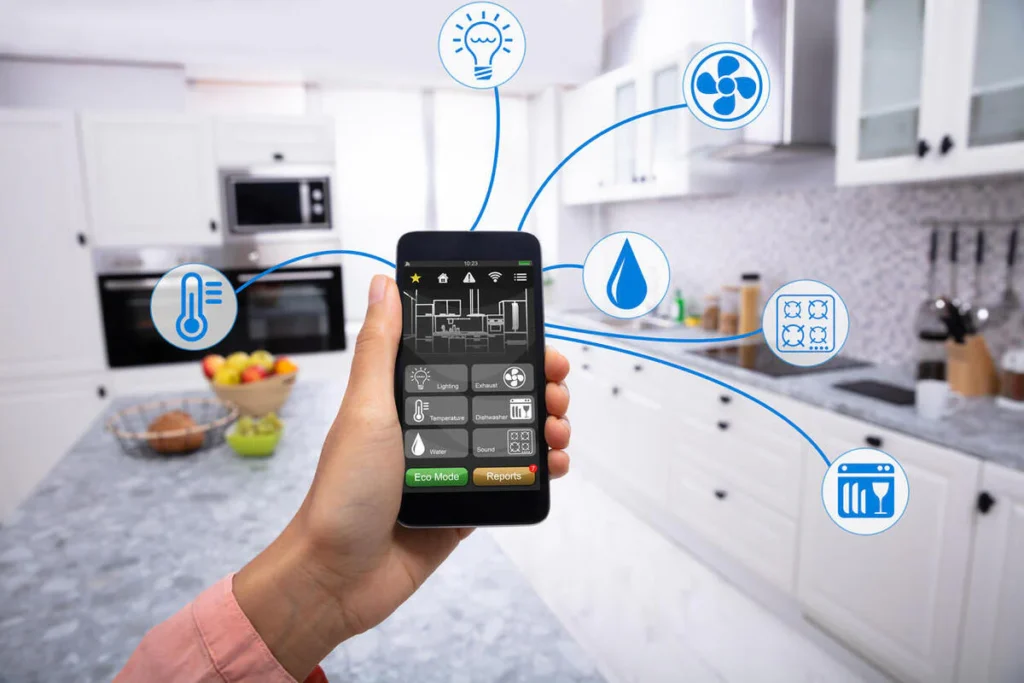
Imagine walking into your home, and with a single voice command, the lights adjust, the temperature sets itself, and your security cameras go live. That’s not a sci-fi fantasy—it’s the reality of modern home automation.
In Pakistan, rising electricity costs, energy shortages, and growing interest in renewable technologies have accelerated the adoption of smart integration systems. More households are combining solar energy with home automation to create homes that are not only intelligent but also energy-efficient.
So, how exactly is this trend reshaping daily living? Let’s break it down.
What Is Modern Home Automation?
Modern home automation is the use of technology to remotely control and automate household systems. From smart lighting and appliances to security cameras and solar-powered systems, everything works together through central hubs, apps, or voice assistants.
Think of it as having a digital caretaker—your home becomes self-aware, efficient, and secure without constant manual control.
Smart Integration Meets Solar Energy
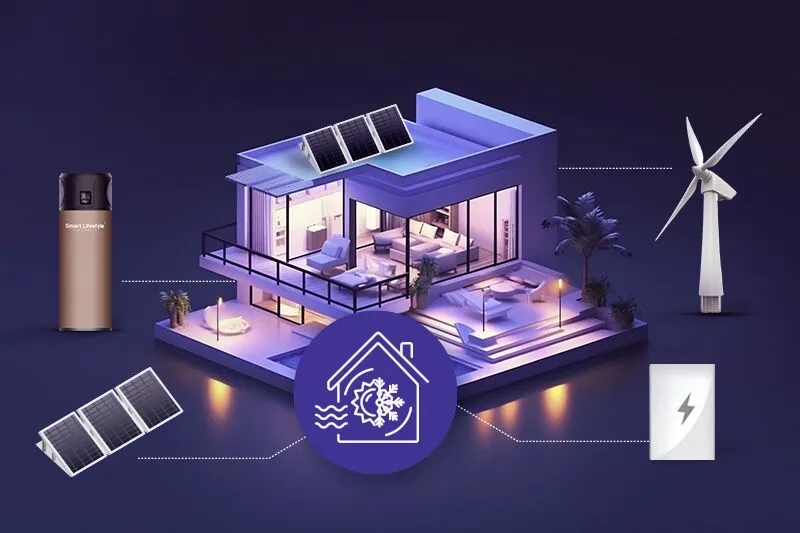
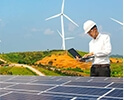
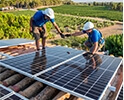
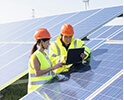
One of the most impactful shifts in Pakistan is the integration of solar energy with home automation. By combining smart tech with renewable power, homeowners save on electricity bills while enjoying convenience.
For example:
- Smart inverters automatically switch between grid, solar, and backup power.
- Energy monitoring apps show real-time electricity usage.
- Automated scheduling ensures that appliances like washing machines or water pumps only run when solar output is at its peak.
This marriage of solar and automation makes homes not just modern but also sustainable.
(You may also like: Why Smart Homes Are the Next Big Trend in Pakistan)
The Benefits of Modern Home Automation in Pakistan
1. Energy Savings with Solar-Integrated Systems: Pakistanis spend a significant portion of household income on electricity. By adopting renewable smart systems, you can reduce your bill by up to 60–70% annually (according to market data from Pakistan Solar Association).
2. Enhanced Security: With CCTV systems, motion detectors, and AI-powered alarms, homeowners get real-time notifications on their phones. This is especially valuable in urban centers where security is a growing concern.
3. Convenience and Comfort: Adjusting lights, fans, and appliances with your smartphone or even voice assistants (like Alexa or Google Home) adds a layer of comfort that was once considered luxury.
4. Long-Term Property Value: Smart homes with renewable integration are increasingly attractive to buyers. Real estate agents report that houses with solar and automation systems sell faster and at premium rates.
Market Insights: Adoption of Smart Homes in Pakistan
Recent surveys suggest that Pakistan’s home automation market is growing at 15–18% annually. Urban cities like Karachi, Lahore, and Islamabad lead the demand, especially in middle- to high-income households.
A big driver is the drop in costs of solar panels and smart devices. For instance, the average cost of a solar-powered smart home setup has decreased by almost 30% in the last five years.
Global trends show that by 2030, 1 in 3 homes worldwide will have some form of automation. Pakistan is steadily catching up, with early adopters setting the tone.
Challenges in Implementing Modern Home Automation
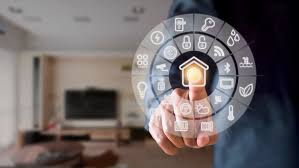
Of course, challenges remain. High upfront costs, lack of awareness, and inconsistent internet access in rural areas limit adoption.
But the government’s renewable energy policies and falling solar equipment prices are making smart homes more accessible. With service providers like JS Technology, customization options are available for every budget.
Simple Example: A Day in a Smart Solar Home
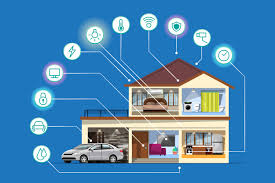
Picture this:
- Morning: Solar panels power your lights and fans as your automated blinds open.
- Afternoon: Appliances run on solar peak hours, reducing grid usage.
- Evening: Motion sensors activate garden lights, while your smart inverter switches to backup.
- Night: With one voice command, doors lock, lights dim, and the security system arms itself.
That’s the future of living—efficient, safe, and intelligent.
Expert Opinion: Why Smart Homes Are the Future
Energy experts emphasize that Pakistan must move toward renewable smart systems to address its energy crisis. According to Dr. Arif Qureshi, a renewable energy consultant, “Combining solar with automation ensures energy independence, reducing reliance on unstable grids and expensive bills.”
This integration isn’t just a lifestyle upgrade—it’s a national necessity.
Connecting It Back: ROI Matters
Earlier, we discussed how to calculate solar panel ROI in Pakistan. Automation enhances that return by optimizing usage, reducing waste, and extending system life.
If you haven’t read it yet, here’s the full guide: Solar Panel ROI in Pakistan – How to Calculate Returns.
Conclusion: Is It Time to Go Smart?
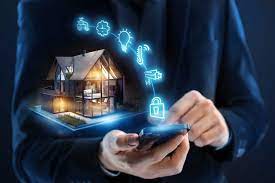
The rise of modern home automation in Pakistan shows that convenience and sustainability can go hand in hand. With smart integration and solar systems, your home isn’t just powered—it’s intelligent.
The question is: will you adapt now or wait until smart homes become the new normal?
Looking to make your home smarter, safer, and more energy-efficient? JS Technology provides affordable solar and automation solutions across Pakistan. Contact us today for a free consultation and step into the future of smart living.