

Whenever someone asks me, “Which solar system should I install — on-grid vs hybrid solar systems?” I always tell them one thing: it depends on your problem, not the panels.
And in Pakistan, our problems vary — load shedding, rising unit rates, unpredictable bills, cloudy seasons, and budget constraints. So the best solar setup isn’t the most expensive one — it’s the system that fits your lifestyle, usage, and city.
In this guide, I break down both systems with real data, simple explanations, expert insights, and market analysis so you can choose confidently.
On-Grid vs Hybrid Solar Systems: What Is a Hybrid Solar System?
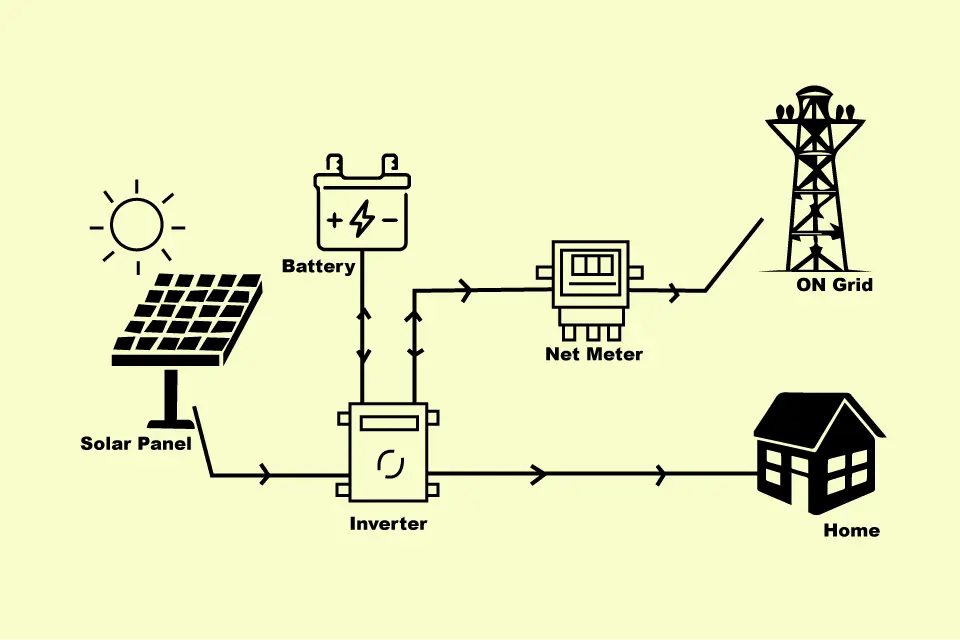
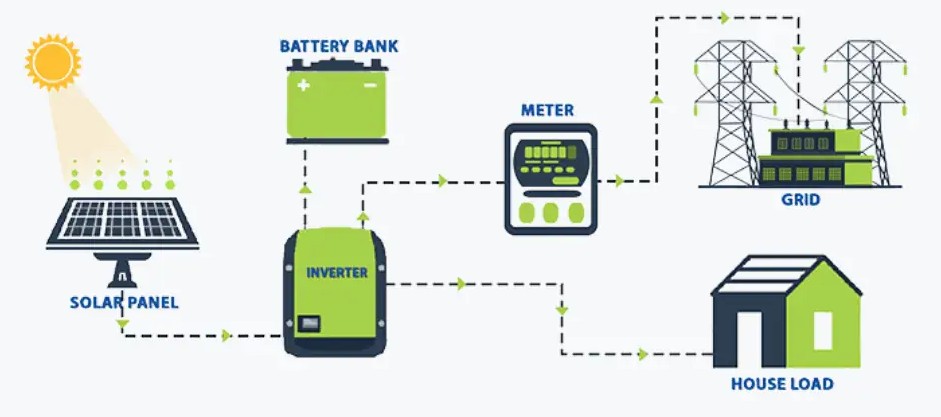
A hybrid system is basically the “best of both worlds.” It connects to the grid and uses a battery backup. Think of it like having solar panels, WAPDA, and a UPS combined — but smarter and more efficient.
How Hybrid Solar Works
- Solar panels produce electricity.
- The inverter powers your home first.
- Extra units charge the batteries.
- When batteries are full, extra energy is exported to the grid (if net metering is enabled).
- During load shedding, the system automatically shifts to battery power.
Why People Choose Hybrid Solar
Because load shedding is still a reality — especially in Lahore, interior Sindh, and Khyber Pakhtunkhwa — hybrid systems offer uninterrupted power.
Key Benefits
- Works even when WAPDA is off
- Battery backup for fans, lights, and appliances
- Ideal for 6–8 hour outages
- Supports net metering
- Long-term energy independence
Downside
- Higher upfront cost
- Battery replacement costs every 5–8 years
On-Grid vs Hybrid Solar Systems: How an On-Grid Solar System Works
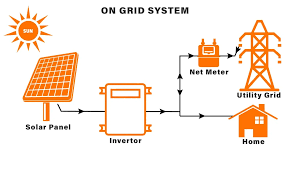
An on-grid solar system is connected directly to WAPDA. You produce electricity, use what you need, and send excess units back to the grid.
How On-Grid Solar Works
- Panels generate electricity
- Inverter powers your home
- Extra units export to the grid through net metering
- At night, your home draws power from WAPDA
Why People Choose On-Grid Solar
Because it reduces bills massively — in some cases, by 90–100% — without the cost of batteries.
Key Benefits
- Cheapest solar setup in Pakistan
- Maximum savings through net metering
- Requires almost no maintenance
- Easy installation
Downside
- Does not work during load shedding
- You rely completely on WAPDA for nighttime power
On-Grid vs Hybrid Solar Systems: Key Differences
| Feature | Hybrid System | On-Grid System |
| Works During Load Shedding | ✔ Yes | ✘ No |
| Requires Batteries | ✔ Yes | ✘ No |
| Net Metering Compatible | ✔ Yes | ✔ Yes |
| Cost | Higher | Lower |
| Best For | Areas with outages | Low-outage urban zones |
| Monthly Savings | High | Very high |
| Total Independence | High | Medium |
The decision becomes simple once you identify your priority:
Backup OR maximum savings.
Which System Is Better for Load Shedding in Pakistan?
Let’s be honest — this is the real question for most households.
On-grid solar systems do not work when power goes out.
Not even for a fan. Because the inverter automatically shuts down to protect grid technicians.
Hybrid solar systems work smoothly during outages.
A study from the Pakistan Energy Report (2024) shows:
- Cities like Lahore, Kasur, Peshawar, and Multan face 3–8 hours of daily load shedding.
- Rural regions face 8–12 hours daily.
For these areas, hybrid is not a luxury — it’s a necessity.
Cost Comparison: On-Grid vs Hybrid Solar Systems in Pakistan
Below is the average market price range in 2025 (based on Lahore, Karachi, and Islamabad vendors):
Average On-Grid Prices
- 5 kW: Rs. 750,000 – 950,000
- 10 kW: Rs. 1,350,000 – 1,750,000
Average Hybrid Prices
- 5 kW: Rs. 1,200,000 – 1,450,000
- 10 kW: Rs. 2,200,000 – 2,700,000
Why Hybrid Is More Expensive
Because it includes:
- Lithium or AGM batteries
- Dual-mode hybrid inverter
- Additional wiring and safety components
Which Solar System Offers Better ROI in Pakistan?
Both offer strong returns, but ROI varies by city and usage.
On-Grid ROI
- Fastest return (2.5–4 years)
- Ideal for homes with high daytime usage
- Best for big houses consuming 800–2000 units monthly
Hybrid ROI
- Slower ROI (4–6 years)
- Ideal for homes with frequent outages
- Saves you from generator fuel costs
In Karachi and Islamabad — low outage cities — on-grid gives the highest value.
In Lahore, Peshawar, and interior cities, a hybrid is more practical.
What About Net Metering?
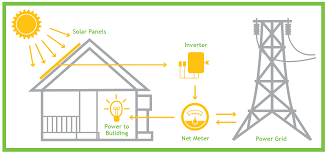
Both systems support net metering.
But on-grid systems maximize net metering because they have no batteries holding excess energy.
According to NEPRA:
A 10 kW system exports 1200–1600 units monthly on average, depending on sunlight availability. If your goal is to reduce your bill to zero, on-grid is the winner.
Final Verdict: Which Solar System Should You Choose?
Here’s my honest breakdown:
Choose On-Grid Solar If:
- You want the cheapest and most efficient solar setup
- You want maximum bill reduction
- You live in a city with low load shedding
- You plan to fully leverage net metering
Choose Hybrid Solar If:
- You face load shedding
- You need battery backup
- You want continuous power
- You want partial energy independence
Both systems are great — but only when matched with your lifestyle and the city’s conditions.
You can also read my related blog here:
👉 [Affordable Solar Panel Solutions for Pakistani Households]
Conclusion: The System You Choose Today Shapes Your Energy Future
Solar isn’t just about saving money anymore. It’s about stability, comfort, and control — things we value even more in Pakistan’s uncertain power landscape. Whether you choose hybrid or on-grid, the real success lies in picking a system that supports your daily routine, your city’s energy patterns, and your long-term goals.
On-grid vs hybrid solar systems, if you ever feel unsure, get a professional assessment. A 10-minute conversation can save you years of frustration and unnecessary spending.
And if you’re planning your installation soon, JS Technology can guide you with honest advice, transparent pricing, and reliable solar solutions built for Pakistani homes.
FAQs
1. Which is better: a hybrid or on-grid solar system?
A hybrid is better for homes with load shedding. On-grid is better for maximum savings and net metering.
2. Is a hybrid solar system good for load shedding in Pakistan?
Yes. Hybrid solar continues working during outages because it uses batteries to store backup power.
3. What is the main difference between hybrid and on-grid solar systems?
Hybrid systems work with batteries and provide backup, while on-grid systems rely on WAPDA and don’t work during outages.
4. How much does a hybrid solar system cost in Pakistan?
A 5 kW hybrid setup costs around Rs. 1.2–1.4 million, and a 10 kW system costs Rs. 2.2–2.7 million.
5. Can an on-grid solar system work without batteries?
Yes. On-grid systems do not require batteries, but they stop working during load shedding.
6. Which solar system saves more money long-term?
On-grid solar offers the highest savings because it exports more units and works entirely through net metering.
7. Which system is best for high electricity bills?
For large homes with high daytime usage, an on-grid system delivers the best financial return.