

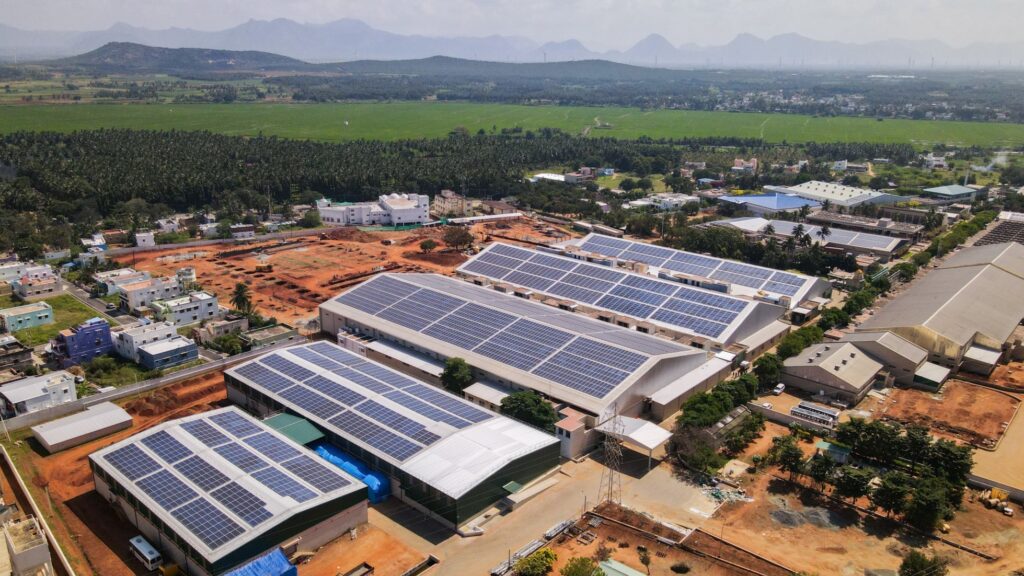
Electricity costs in Pakistan have reached a point where running a business feels heavier than running operations themselves. Every few months, another tariff revision comes in. Fuel adjustments go up. Taxes increase. And for businesses—whether a small workshop or a 500-employee factory—these costs affect everything: production, profitability, and long-term stability. That’s why more companies are shifting toward Commercial solar use in Pakistan. And this isn’t just a trend. It’s a strategic move backed by numbers, savings, and a clear return on investment (ROI). Over the past five years, commercial solar adoption has grown significantly across manufacturing, retail, logistics, real estate, textiles, malls, and corporate offices.
In this blog, I’ll explain why businesses are switching to solar, how much commercial systems cost, what ROI to expect, and which capacities work best for different industries. And if you want to explore how technology is shaping modern homes and offices, you can also read my previous blog on Smart Home Automation in Pakistan: Cost, Benefits, Features, and Future Trends.
Let’s get into the details in a clear, simple way.
Why Pakistani Businesses Are Switching to Solar
Rising Electricity Tariffs in the Commercial Sector
Commercial consumers in Pakistan pay some of the highest electricity tariffs in the region. As of 2024–25 tariff structures, commercial units face a rate that can cross Rs. 62–72 per kWh depending on peak hours, fuel adjustments, and taxes.
Businesses face:
- Constant tariff hikes
- Seasonal fuel adjustments
- High peak-hour rates
- Extra charges (FCA, quarterly adjustments)
- Power outages are affecting production
A single commercial unit paying an electricity bill of Rs. 1 million a month can save 60%–90% by switching to a solar-powered on-grid system.
And these savings start from the first month.
Benefits of Solar Power for Factories and Offices
Businesses are not adopting solar only because of high costs. They are switching because solar gives them stability and predictability — two things the grid can no longer consistently provide.
Key benefits include:
Lower Operating Costs: Solar reduces monthly energy expenses, which directly improves profitability.
Protection Against Tariff Hikes: Solar gives long-term price stability for 20+ years.
Better Cash Flow Management: Predictable energy costs make financial planning easier.
Reduced Downtime: Hybrid systems keep essential loads running even during outages.
Improved Sustainability Reputation: Companies using renewable energy earn stronger public trust and better B2B credentials.
Boost in Property Value: Buildings with solar systems are valued higher, especially commercial real estate.
What Makes Commercial Solar Systems Different?
Commercial systems are built for heavy loads, long operational hours, and uninterrupted use.
Industrial-Grade Solar Panels and Inverters
Factories and large offices use:
- Tier-1 solar panels
- High-efficiency commercial inverters
- Three-phase industrial equipment
- High-voltage wiring and switchgear
These systems are designed for:
- 8–16 hours of continuous operation
- Large rooftop areas
- Heat resistance
- Maximum energy production
On-Grid vs Hybrid Solar for Businesses
Most commercial setups choose between:
1. On-Grid Solar System (Most Popular)
- Connects directly to the grid
- Allows net metering
- Best for reducing large bills
- Lowest installation cost
Ideal for: factories, plazas, malls, warehouses, offices
2. Hybrid Solar System
- Works with batteries and the grid
- Provides backup during outages
- Higher upfront cost but high reliability
Ideal for: hospitals, schools, server rooms, data centers
Commercial Solar System Sizes and Use Cases
Different businesses need different solar capacities. Here is what companies usually choose:
30kW – 50kW Solar Systems
Used by:
- Small offices
- Clinics
- Retail shops
- Restaurants
- Small warehouses
Average bill transformed: Rs. 250,000–500,000 per month
100kW Solar Systems
One of the most in-demand capacities in Pakistan.
Used by:
- Medium-size factories
- Textile units
- Schools
- Corporate offices
- Ice cream factories
- Cold storages
Average bill transformed: Rs. 800,000–1,200,000 per month
200kW – 500kW Solar Systems
Used by:
- Large factories
- Manufacturing plants
- Flour mills
- Printing presses
- Industrial production lines
Average bill transformed: Rs. 1.5–4 million per month
1MW+ Solar Power Plants
Used by:
- Industrial zones
- Steel mills
- Cement factories
- Megaprojects
- Export-based units
These are fully engineered EPC projects with specialist teams.
Solar ROI and Payback Period for Businesses
One of the strongest reasons businesses switch to solar is the short payback period.
Typical ROI for Commercial Solar Systems
- On-grid systems: 2.5–4 years
- Hybrid systems: 3–5 years
- Large factories with net metering: 2–3 years
After the payback period, solar becomes pure profit.
How Net Metering Accelerates ROI
With net metering:
- Excess units are sold back to the grid
- Monthly bills reduce significantly
- Annual savings increase
- Peak-hour penalties get balanced
A 100kW system with net metering can save up to Rs. 1.2–1.8 million per year.
Is Solar Reliable for Industrial Loads?
Many businesses ask whether solar can sustain:
- Heavy machinery
- Motors
- Compressors
- HVAC systems
The simple answer is: Yes, with the right inverter and configuration.
Backup Options
Businesses can choose:
- Hybrid inverters
- Lithium batteries
- Solar + generator sync
- UPS integration
Battery Integration
Industries rarely run full factories on batteries; instead, they use battery backup for:
- Office space
- Server rooms
- Security systems
- Lights and fans
Hybrid systems offer complete protection against outages.
How Solar Strengthens a Business Long-Term
Solar is no longer a luxury—it’s a strategic asset.
Long-term benefits:
- Predictable operating costs
- Higher profit margins
- Reduced reliance on grid electricity
- Stronger ESG (Environmental, Social, Governance) profile
- Competitive advantage for exporters
- Better brand perception
Companies using renewable energy often secure:
- International certifications
- Better partnerships
- Lower operational risks
That was our understanding of Commercial solar use in Pakistan. If you want to explore how modern technology is transforming homes and workplaces, you can also read: Smart Home Automation in Pakistan: Cost, Benefits, Features, and Future Trends
Frequently Asked Questions
1. Why do Pakistani businesses prefer commercial solar systems?
Because solar reduces electricity bills, provides long-term stability, prevents downtime, and offers a fast ROI for factories, offices, and retail businesses.
2. How much does a commercial solar system cost in Pakistan?
Most commercial systems range from Rs. 2.4 million to Rs. 60 million depending on capacity (30kW–500kW+), brand, inverter type, and installation requirements.
3. What is the payback period of a commercial solar system?
The average payback time is 2–5 years, depending on energy consumption and whether the system uses net metering.
4. What size solar system do factories need?
Most factories install 100kW–500kW systems depending on machinery, peak load, and operational hours.
5. Does solar work during load shedding?
Yes, hybrid or battery-supported systems continue working during load shedding and provide stable backup.
6. Is commercial solar suitable for offices, malls, and plazas?
Yes, HVAC, lighting, elevators, and office equipment run efficiently on commercial solar setups.
7. Can businesses use net metering with solar?
Yes, commercial buildings can sell excess units to the grid through net metering to further reduce costs.