

Solar panels are popping up on rooftops across Pakistan, providing clean energy and reducing electricity bills. But have you ever wondered, “What exactly are solar panels made of?” Understanding the components of solar panels might help you better understand how this technology works and why it’s such a good investment.
In this blog, I’ll break down the materials used to make solar panels, explain how they work together to generate electricity, and show why these components matter to you as a consumer.
The Main Components of Solar Panels
Solar panels are intricate machines that transform sunshine into electrical power; they are more than just glistening squares on your roof. But what are they made of?
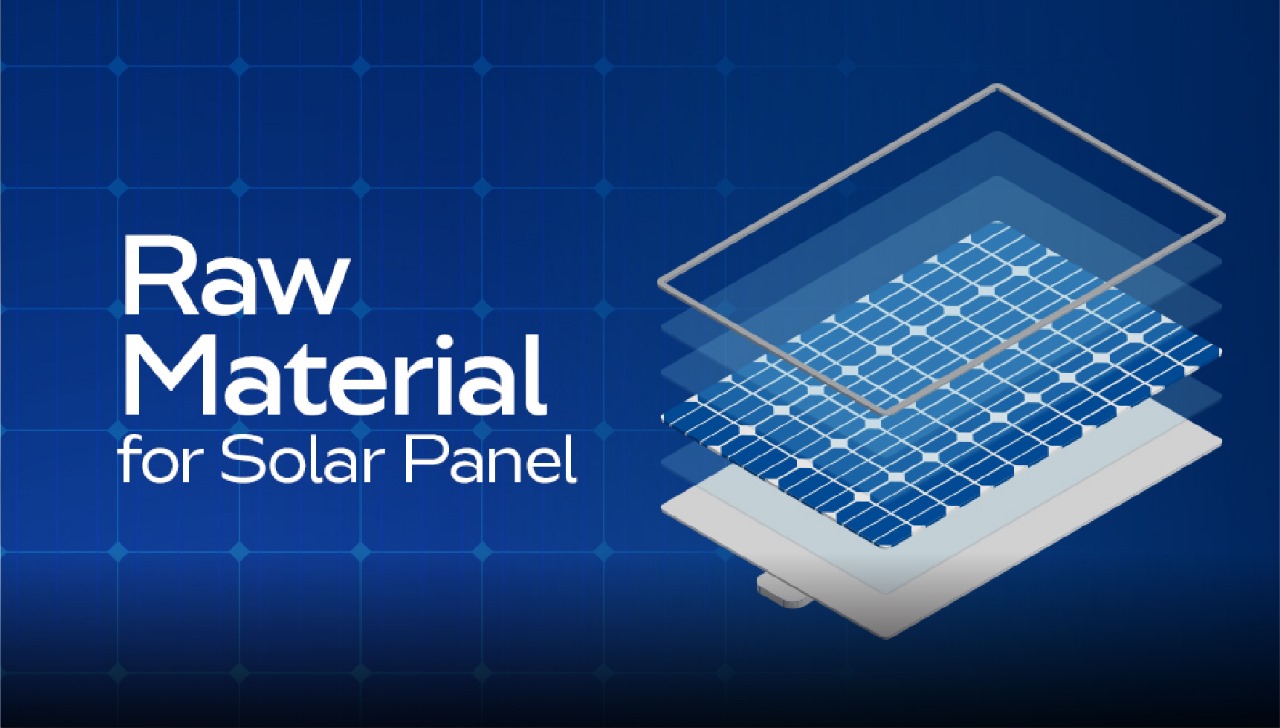
1. The core of solar panels are photovoltaic (PV) cells.
Photovoltaic cells also referred to as solar cells, are the fundamental component of every solar panel. The process of turning sunlight into energy is carried out by these cells. PV cells are typically made from silicon, which is a semiconductor material. Silicon is chosen because it’s abundant, durable, and has excellent electrical properties.
There are two major varieties of silicon used in PV cells:
- Monocrystalline Silicon: These cells are made from a single, continuous crystal structure, making them highly efficient (around 20-22%). They are known for their sleek black appearance.
- Polycrystalline Silicon: These cells are made from multiple crystal structures, which makes them slightly less efficient (around 15-18%) but more affordable. They typically have a mottled, blue appearance.
- The kind of PV cells your solar panel contains have a significant impact on its efficiency. In general, monocrystalline panels are more efficient but cost a bit more, while polycrystalline panels are more budget-friendly.
2. Glass Layer: The Protector
A sheet of tempered glass comes on top of the PV cells. This glass is not just there for looks; it serves to protect the delicate PV cells from environmental elements like rain, dust, and hail. The glass is designed to be extremely durable and highly transparent, allowing as much sunlight as possible to reach the cells. In Pakistan, with its diverse weather conditions—ranging from scorching heat to heavy monsoon rains—this glass layer ensures that the panels can withstand the elements and last for decades.
3. Anti-Reflective Coating: Enhancing Light Absorption
You might have noticed that solar panels have a somewhat matte appearance. This is thanks to the anti-reflective coating applied to the surface of the glass. This coating’s only goal is to cut down on the sunlight that bounces off the surface and boost the amount that the PV cells can receive. More sunlight absorbed means more electricity generated for your home, making this coating a key factor in improving the overall efficiency of the panel.
4. Metal Frame: The Backbone
The aluminum frame that surrounds the solar panel isn’t just for structural support; it also plays an important role in protecting the panel’s edges and securing it to your roof. A sturdy frame ensures that the solar panel can endure harsh winds and won’t deform over time due to thermal expansion caused by temperature changes.
Given the wind patterns in certain regions of Pakistan, having a well-built metal frame is critical for the longevity of your solar panels.
5. EVA and Backsheet: Insulation and Protection
Between the PV cells and the glass, you’ll find a layer of EVA (ethylene vinyl acetate). This is a transparent adhesive that holds the solar cells in place and acts as a shock absorber, protecting them from vibrations and impacts.
On the backside of the panel is the back sheet, usually made of plastic, which protects the PV cells from moisture and dirt. These layers help ensure that your solar panel continues to operate efficiently even in less-than-ideal conditions.
How These Components Work Together
How do these parts function together given that we know what solar panels are composed of? Here is a brief account of the process:
- When sunlight strikes the panel, it travels through the anti-reflective coating and glass to the PV cells.
- The photovoltaic effect, in which sunlight releases electrons from atoms to create an electric current, is how the PV cells collect sunlight and produce power.
- The PV cells’ metal conductors absorb this electric current, which then travels via the solar panel to a solar inverter, which transforms it from direct current (DC) to alternating current (AC), the kind of power used in your house.
- Any excess energy can be stored in a solar battery or sent back to the grid if you have a net metering arrangement.
- This simple yet effective setup explains why solar panels can power everything from homes to businesses in a clean, efficient way.
Why Do These Materials Matter for You?
Knowing what goes into making a solar panel can help you make an informed decision when purchasing a solar system. For instance:
- Monocrystalline panels may cost more upfront, but their higher efficiency could mean more savings in the long run.
- The durability of the glass and metal frame ensures your solar panels will last decades, even in extreme weather.
- Understanding the photovoltaic effect and how it works can give you a better idea of how much energy you can expect from your system based on the amount of sunlight your location receives.
Solar Panels – More Than Just Glass and Silicon
In conclusion, solar panels are an impressive combination of cutting-edge materials and smart design. The blend of silicon cells, tempered glass, metal frames, and protective coatings ensures that solar panels not only capture sunlight efficiently but also stand the test of time in Pakistan’s diverse climate.
Whether you’re interested in reducing your electricity bills or contributing to a greener environment, understanding what solar panels are made of can help you see why they are a smart investment.
If you’re curious about how these panels work and how you can maximize their performance, don’t forget to check out my blog What is a Solar Panel System? How Do Solar Panels Work? for an even deeper dive into solar technology.
So, what’s holding you back from going solar? Now is the time to start along the path to energy independence!