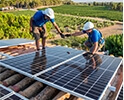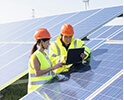

Is every roof suitable for solar panels?
No. A roof’s suitability depends on its orientation, structural condition, available space, shading, roof angle, and overall energy requirements. A professional solar site survey evaluates these factors to determine whether your property can safely and efficiently support a solar system.
If you’re thinking about switching to solar, you’ve probably asked yourself one important question:
“Can my roof actually support a solar system?”
It’s a fair question—and one we hear all the time. Many people assume that if they own a house or commercial building, they can simply install solar panels and start saving money. In reality, every property is different. Some rooftops are ideal for solar. Others may need adjustments before installation. And in some cases, an alternative solution may be the better choice.
That’s exactly why a professional site survey is one of the most important steps before investing in solar.
At JS Technology, we believe every solar project should start with understanding the property, not selling equipment. A proper assessment helps ensure your system is designed for long-term performance, safety, and value.
If you’ve already read our previous article, “Is Solar Really Expensive?“, you know that solar is a long-term investment. The next step is making sure your property is actually ready to deliver the returns you’re expecting.
Let’s look at what really determines whether your roof is suitable for solar panels.
Is Every Roof Suitable for Solar?
The short answer is no.
A roof doesn’t need to be perfect, but it does need to meet certain conditions for a solar system to perform efficiently.
Think of it like planting a tree.
The quality of the soil, the amount of sunlight, and the available space all affect how well it grows. Solar panels work in much the same way. Even the best equipment cannot perform at its full potential if the installation environment isn’t suitable.
This doesn’t mean your roof can’t have solar. It simply means the system should be designed around your property’s unique conditions.
Key Takeaway
Every building is different. A professional assessment ensures your solar system matches your roof instead of forcing your roof to fit a standard design.
Why Every Property Is Different
No two buildings consume electricity in exactly the same way.
Some homes use electricity mostly during the day.
Others consume more power at night.
Commercial buildings often have entirely different energy patterns compared to residential properties.
Similarly, roofs differ in:
- Size
- Shape
- Height
- Construction materials
- Sunlight exposure
- Nearby obstacles
All of these factors influence how much electricity a solar system can generate. This is why experienced installers avoid offering fixed “package deals” without first inspecting the property.
Common Misconceptions About Solar Roofs
Many homeowners believe a few common myths that can delay good decisions.
Myth 1: Every roof can produce the same amount of electricity.
Reality:
Solar production depends on roof conditions, not just the number of panels.
Myth 2: Bigger roofs always generate more electricity.
Reality:
Roof size matters, but sunlight exposure and panel placement are equally important.
Myth 3: My neighbour installed solar, so mine will work the same way.
Reality:
Even two houses on the same street can have different roof angles, shading, and electricity consumption.
Key Takeaway
Solar is never a one-size-fits-all solution. The best-performing systems are designed specifically for each property.
What Determines Whether Your Roof Is Suitable?
Several technical factors influence solar performance.
The good news?
Most of them can be evaluated during a professional site survey.
1. Roof Direction (Orientation)
One of the first things engineers evaluate is the direction your roof faces.
In Pakistan, south-facing roofs generally receive the highest amount of sunlight throughout the day, making them an excellent option for solar installations.
However, this doesn’t mean east- or west-facing roofs cannot work.
Modern system design allows installers to optimize panel placement based on your property’s unique conditions and your daily electricity usage.
Rather than asking,
“Does my roof face south?”
It’s better to ask,
“What is the real amount of sunshine that reaches my roof?”
Key Takeaway
Roof orientation matters, but it is only one part of the overall assessment.
2. Roof Angle (Pitch)
The angle of your roof affects how efficiently sunlight reaches the panels.
Steep roofs, gently sloped roofs, and flat roofs can all support solar systems.
Flat roofs often use specially designed mounting structures that position the panels at an optimal angle for better energy production. The right mounting system is just as important as the panels themselves.
3. Available Roof Space
A common misconception is that solar systems only require a small corner of the roof.
In reality, the available installation area determines how many panels can be installed and, ultimately, how much electricity can be generated.
During a site survey, engineers evaluate:
- Usable roof area
- Water tanks
- Staircases
- Skylights
- Air-conditioning units
- Safety clearances
- Future maintenance access
Good system design balances energy production with accessibility and safety.
Key Takeaway
A larger roof doesn’t automatically mean better solar performance. Efficient use of available space matters more.
4. Roof Condition and Structural Strength
Solar panels are made to endure for many years.
Your roof should be able to do the same.
If your roof is already approaching the end of its lifespan, repairing or replacing it before installation may be the smarter financial decision.
Engineers also evaluate whether the structure can safely support the additional weight of the mounting system and solar panels.
Fortunately, modern solar systems are lighter than many people expect. Most structurally sound roofs can support them without major modifications.
5. Shade Matters More Than Most People Realize
Sunlight is the fuel that powers a solar system.
Anything that blocks sunlight can reduce electricity production.
Common sources of shading include:
- Large trees
- Nearby buildings
- Water tanks
- Communication towers
- Boundary walls
- Rooftop equipment
Even partial shading during certain hours can affect system efficiency.
This doesn’t necessarily mean solar won’t work.
It simply means the panel layout and equipment selection need careful planning.
Key Takeaway
Reducing shade often improves solar performance more than simply adding extra panels.
Why a Professional Solar Site Survey Is So Important
Many people ask us,
“Can’t you just give me a quotation over WhatsApp?”
We can provide an estimate.
But a professional quotation requires much more than your latest electricity bill.
A proper site survey helps answer questions like:
- Can the roof safely support the system?
- How much electricity can realistically be generated?
- Where should the panels be installed?
- Will shading reduce production?
- What system size offers the best return on investment?
- Is net metering suitable?
- Does the electrical infrastructure require upgrades?
Without these answers, any quotation is simply an educated guess.
What Happens During a Solar Site Survey?
A professional assessment typically includes several important steps.
Roof Measurements
Engineers measure the available installation area and identify obstacles that could affect panel placement.
Sunlight and Shade Analysis
The property is inspected to determine how much direct sunlight reaches the roof throughout the day and during different seasons.
Structural Inspection
The roof’s condition and load-bearing capacity are evaluated to ensure it can safely support the installation.
Electrical Assessment
The existing electrical system is reviewed to determine compatibility with the proposed solar system.
Energy Consumption Review
Your electricity bills are analyzed to understand:
- Monthly usage
- Peak consumption hours
- Seasonal variations
- Future expansion plans
This ensures the recommended system matches your actual needs instead of relying on assumptions.
Key Takeaway
A professional site survey doesn’t just determine whether solar is possible—it helps design the right solar system for your property.
What If Your Roof Isn’t Ideal?
One of the biggest misconceptions is that an unsuitable roof means solar is no longer an option.
That’s rarely true.
If a roof has limitations, experienced solar engineers can often recommend practical alternatives.
These may include:
- Adjusting the panel layout
- Installing higher-efficiency panels
- Using specialised mounting systems
- Trimming or managing nearby shading
- Reinforcing sections of the roof
- Considering ground-mounted solar systems where space permits
The goal isn’t to force a standard design onto every building. It’s to create the most effective solution for your specific property.
Final Thoughts
Because every roof is unique, a professional evaluation should be the first step in any solar installation.
Choosing solar without understanding your roof is a bit like buying a car without checking whether it fits your daily needs. You might still end up with a good product—but not the right one.
At JS Technology, we believe good solar decisions start with accurate information. A professional site survey helps identify opportunities, avoid costly mistakes, and ensure your investment delivers reliable performance for years to come.
If you’re considering solar, don’t let assumptions guide your decision. Let your roof tell the real story.
Thinking About Installing Solar?
According to the International Energy Agency (IEA), solar power continues to be one of the fastest-growing sources of electricity worldwide.
The first step isn’t choosing solar panels.
It’s understanding your property. Book a professional solar site survey with JS Technology and discover whether your roof is ready for clean, reliable, and long-term energy savings.
Suitable vs. Less Suitable Roof Conditions
| Factor | Suitable Roof | Less Suitable Roof |
| Sunlight Exposure | Full sunlight for most of the day | Heavy shading throughout the day |
| Roof Direction | South, East, or West-facing with good exposure | Poor orientation combined with shading |
| Roof Condition | Structurally strong and well-maintained | Damaged or aging roof requiring repairs |
| Roof Space | Enough space for required panel layout | Limited usable area due to obstacles |
| Roof Angle | Flat or sloped with proper mounting options | Complex roof design with limited installation space |
| Electrical Infrastructure | Compatible with solar installation | Requires significant electrical upgrades |
Frequently Asked Questions
1. Is my roof suitable for solar panels?
No. Every roof is different. Factors such as roof orientation, available space, structural condition, shading, roof angle, and overall electricity consumption determine whether a property is suitable for solar. A professional site survey provides the most accurate assessment.
2. How do I know if my roof is suitable for solar?
The best way is through a professional solar site survey. During the inspection, experts evaluate your roof’s condition, sunlight exposure, available installation area, electrical system, and energy usage to determine whether solar is a practical solution.
3. What type of roof is best for solar panels?
South-facing roofs with minimal shading generally produce the highest energy output in Pakistan. However, east- and west-facing roofs can also perform well with proper system design. Flat roofs can support solar panels using specially designed mounting structures.
4. Can solar panels be installed on flat roofs?
Yes. Flat roofs are commonly used for solar installations. Engineers use mounting systems that tilt the panels at an optimal angle to maximise sunlight exposure and improve energy production.
5. Does roof direction really matter?
Yes, but it isn’t the only factor. While roof orientation influences energy production, shading, panel layout, roof angle, and system design also play significant roles. A well-designed system can still perform efficiently even if the roof isn’t perfectly south-facing.
6. Can an old roof support solar panels?
Possibly. If the roof is structurally sound, it may be suitable for solar installation. However, if major repairs or replacement are expected within the next few years, it is usually better to complete that work before installing solar panels.
7. Why is a solar site survey so important?
A site survey helps ensure your solar system is safe, efficient, and correctly sized. It identifies structural issues, shading, roof suitability, electrical compatibility, and expected energy production before installation begins.